Escape to Westerlands
Stay at Westerlands during Soil Health Week and experience a farm in transition—walk the land, meet the animals, and discover how soil, nature, and sustainable farming come together beneath your feet.
Soil Health Week is a reminder that everything starts beneath our feet. Healthy soil supports the food we grow, the landscapes we enjoy, and the biodiversity that makes a place truly come alive.
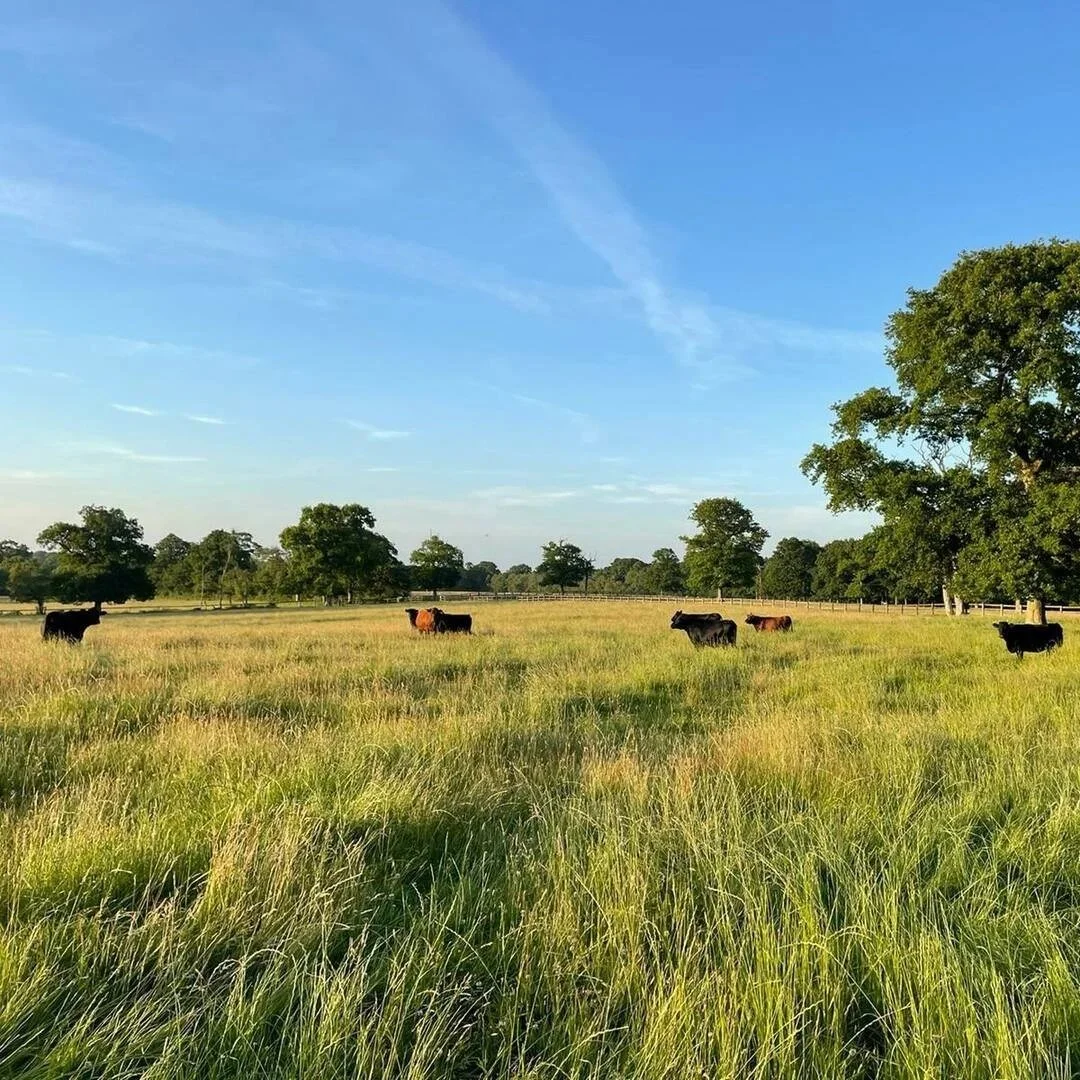
At Westerlands, we farm differently. Having transitioned to a regenerative approach, our focus is on improving soil health and structure naturally—through rotational ‘mob’ grazing, building organic matter, and working with the natural energy flows of the land. Our grassland remains permanent and undisturbed—we don’t plough or dig, and we use no chemicals, fertilisers or sprays of any kind.
Instead, farming here is a conversation with nature—listening, adapting, and working in partnership with what’s happening both above and below the ground.
We’re still on that journey. Alongside our livestock, we’re giving the soil a helping hand in the early stages—using light-touch interventions and carefully balancing minerals like magnesium and calcium to improve drainage and encourage deeper rooting. Over time, this will help create stronger, more resilient soil—so that one day our fields can support grazing all year round, even through winter.
Our cattle and sheep are central to this process. From our small herd of Dexter cows—gentle on the land—to our flocks of grazing sheep, all are 100% grass-fed and live outdoors year-round, moving across a rich mix of chalk, clay and sandy soils. Their natural grazing patterns help restore the land, improve soil health, and support biodiversity.
To deepen our understanding, we partner with Nature Sense at the University of Sussex, who monitor the land through regular surveys—tracking soil condition, plant life, earthworms, and wildlife. It means we can see how these changes are really taking shape over time.
And sometimes, the biggest impact comes from the smallest creatures. Dung beetles, vital ecosystem engineers, are beginning to return—recycling nutrients, aerating soil, and supporting healthier pasture. Their recovery is a powerful sign that the land is healing.
The result is a landscape that feels alive, evolving, and deeply connected—where every element plays its part.